FACILITY MAINTAINENCE SERVICES

Our facility maintenance services support federal, state, and local government agencies by ensuring public buildings and institutional facilities remain safe, functional, compliant, and operational. Services are performed in accordance with applicable building codes, safety regulations, and operational standards to support continuous facility readiness and minimize service disruptions.

Scope of Services

Preventive and Routine Maintenance 

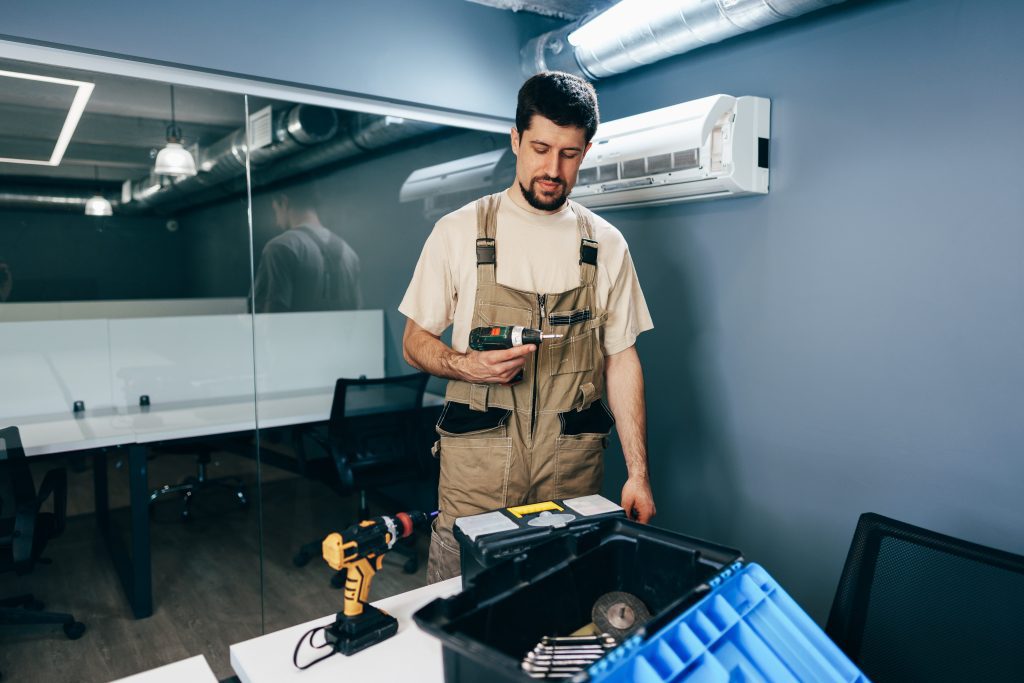
Facility maintenance services include scheduled preventive and routine maintenance activities designed to preserve building systems and infrastructure. This includes inspections, minor repairs, adjustments, and upkeep of facility components to reduce downtime, extend asset life, and support uninterrupted agency operations. 

Building Systems and Interior Maintenance

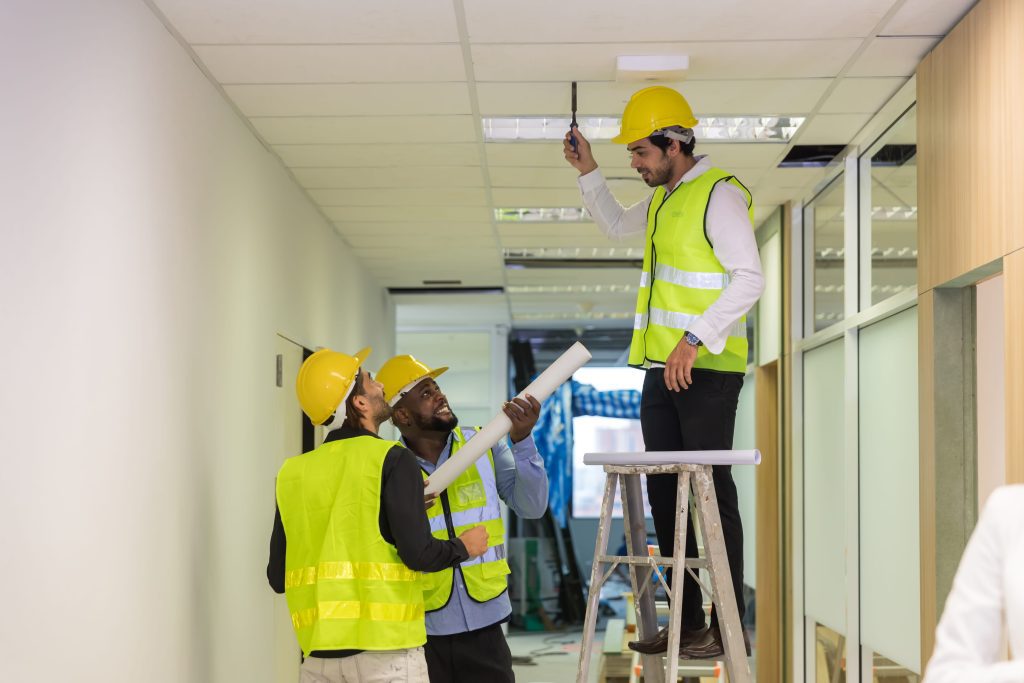
Services cover ongoing maintenance of interior building systems and components, including lighting, doors, hardware, ceilings, walls, flooring, and common use areas. Maintenance activities are performed to maintain safe, functional, and professional environments for facility occupants and visitors. 

Mechanical, Electrical, and Plumbing (MEP) Support 

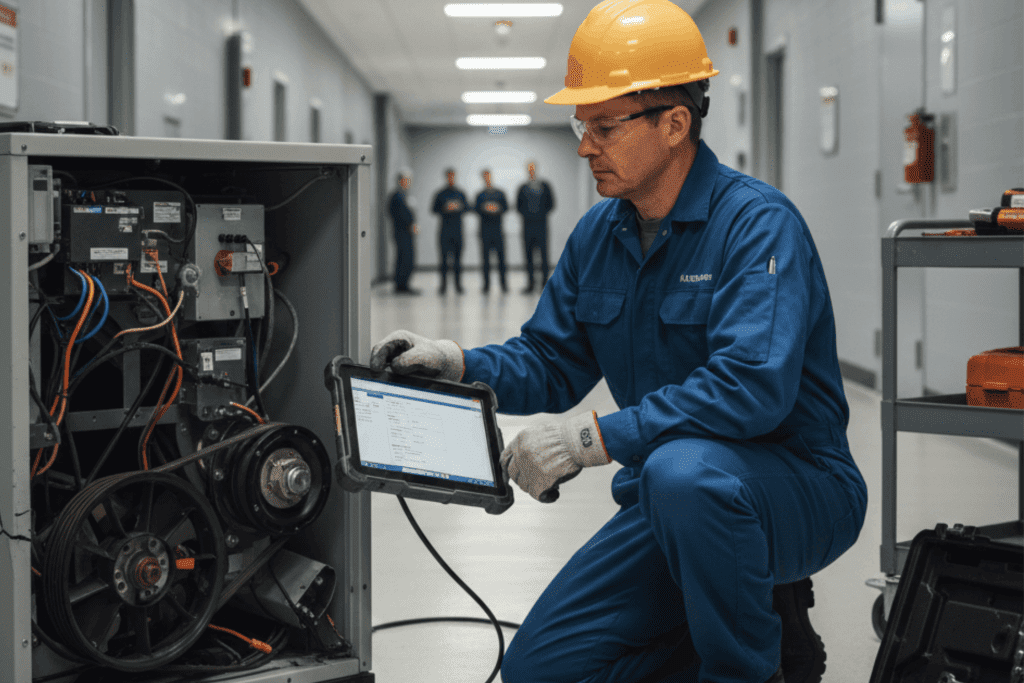
Facility maintenance includes non-specialty support services for mechanical, electrical, and plumbing systems, such as minor repairs, replacements, monitoring, and coordination with licensed specialists when required. Services are performed in compliance with applicable codes and safety standards to ensure system reliability and occupant safety. 

Exterior and Grounds Maintenance Support 

Maintenance services extend to exterior building elements and surrounding grounds, including walkways, parking areas, signage, fencing, and exterior lighting. Services support safe access, regulatory compliance, and the overall appearance of government facilities. 

Corrective and On-Demand Maintenance 

Corrective maintenance services address unplanned issues, equipment malfunctions, and facility deficiencies as they arise. On-demand support is coordinated with agency representatives to restore functionality quickly while minimizing operational disruption. 

Compliance-Driven Facility Support Services 

Facility maintenance services are delivered in alignment with applicable regulatory, safety, and operational requirements, including workplace safety standards established by the Occupational Safety and Health Administration and environmental considerations overseen by the U.S. Environmental Protection Agency. Services are structured to support inspections, audits, and ongoing compliance obligations. 

Regulatory Compliance and Standards

Facility maintenance services are delivered in alignment with the regulatory, safety, and operational requirements governing public buildings and institutional facilities. Compliance is integrated into daily maintenance activities, workforce practices, and supervisory controls to ensure facilities remain safe, functional, and inspection-ready at all times.

Building Codes

All maintenance activities are performed in accordance with applicable federal, state, and local building codes, including structural, electrical, mechanical, and plumbing requirements. Work is executed to preserve code compliance, support safe occupancy, and maintain the integrity of building systems and infrastructure.

Safety

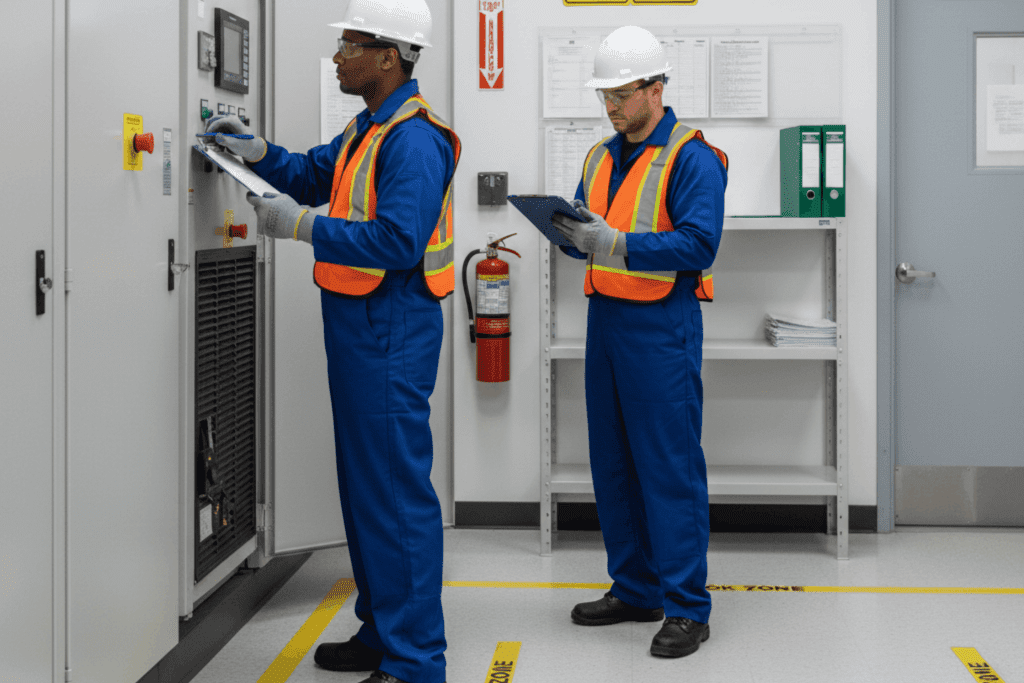
Facility maintenance operations comply with workplace safety standards established by the Occupational Safety and Health Administration. Safety practices include hazard identification, lockout/tagout awareness, safe equipment use, and personal protective equipment requirements to protect maintenance personnel and facility occupants.

Life Safety

Maintenance services support life-safety systems and emergency preparedness requirements within government facilities. Activities include routine checks and upkeep of emergency lighting, exit pathways, fire doors, and other safety-related components to ensure readiness during inspections, drills, or emergency conditions.

Environmental

Maintenance activities are conducted with consideration for environmental protection and indoor environmental quality. Practices align with environmental guidelines overseen by the U.S. Environmental Protection Agency, including responsible material usage, waste handling, and support for energy efficiency and sustainability objectives.

Accessibility

Facility maintenance services support compliance with applicable accessibility standards governing public facilities. Maintenance activities ensure that entrances, restrooms, walkways, signage, and common areas remain accessible and usable for individuals with disabilities in accordance with governing regulations.

Documentation

Compliance is supported through maintenance records, inspection logs, and service documentation. Records are maintained to demonstrate adherence to regulatory requirements, support audits and inspections, and provide transparency for agency oversight and contract management.

Working

Process.

Staffing and Supervision Model

Quality Assurance Approach

The quality assurance framework for facility maintenance services follows a structured workflow that governs planning, execution, verification, and continuous improvement. This approach ensures building systems remain operational, compliant, and inspection-ready while supporting uninterrupted government operations.

1

Planning

Quality assurance begins with validation of maintenance scope, schedules, and system priorities in coordination with the facility authority. Planned activities are reviewed to ensure alignment with occupancy conditions, life-safety requirements, and regulatory obligations before work execution.

2

Execution

Maintenance tasks are performed using approved methods and tools appropriate to the building systems being serviced. Work is carried out in a controlled manner to maintain system integrity, prevent service disruptions, and protect public assets during maintenance activities.

3

Oversight

Supervisory oversight is maintained throughout service delivery to monitor workmanship, adherence to approved scope, and compliance with operational procedures. Supervisors verify that maintenance activities are performed consistently and in accordance with contract and facility requirements.

4

Verification

Completed maintenance work is reviewed to confirm that systems are operational, safety conditions are restored, and service outcomes meet defined standards. Verification supports readiness for inspections, audits, and ongoing facility use.

5

Documentation

Maintenance activities are recorded through work orders, service logs, and inspection records. Documentation provides traceability, supports contract oversight, and demonstrates compliance with regulatory and operational requirements.

6

Resolution

Service records are maintained to document scope completion, material handling, and disposal actions. Documentation supports transparency, compliance verification, and audit readiness and is retained in accordance with contract and regulatory requirements.

7

Resolution

Identified deficiencies or service deviations are addressed through structured corrective actions. Issues are evaluated, resolved, and documented to ensure timely restoration of system functionality and compliance.

8

Improvements

Quality performance is continuously evaluated through supervisory review and agency feedback. Lessons learned are incorporated into maintenance procedures, planning, and execution to enhance reliability, compliance, and service effectiveness.

Scroll to Top