JUNK REMOVAL SERVICES

Our junk removal services are designed to support federal, state, and local government agencies, public institutions, and regulated facilities by providing safe, compliant, and environmentally responsible removal of unwanted materials. Services are performed in accordance with applicable local ordinances, state regulations, and federal standards, including waste handling and disposal requirements issued by agencies such as the U.S. Environmental Protection Agency and the Occupational Safety and Health Administration.

Scope of Services

General Non-Hazardous Junk and Bulk Waste Removal

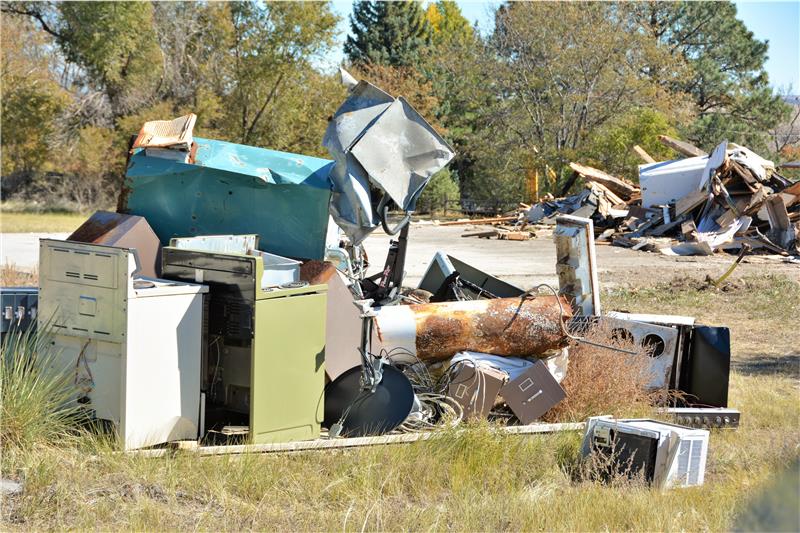
This scope includes the collection, loading, transportation, and authorized disposal of non-hazardous solid waste and bulk junk generated from routine operations or special projects. Services address materials not suitable for standard municipal pickup, including mixed debris such as wood, cardboard, plastics, and general refuse. All waste is transported and disposed of through licensed and approved facilities in compliance with applicable waste management regulations. 

Office, Facility, and Administrative Space Cleanouts

Junk removal services cover comprehensive cleanouts of offices, conference rooms, and administrative spaces, including the removal of obsolete furniture, cubicles, fixtures, and non-functional equipment. These services support agency relocations, space consolidations, and reconfigurations and are coordinated closely with facility management to ensure continuity of operations and adherence to site-specific access and safety requirements.

Warehouse, Storage, and Surplus Material Removal

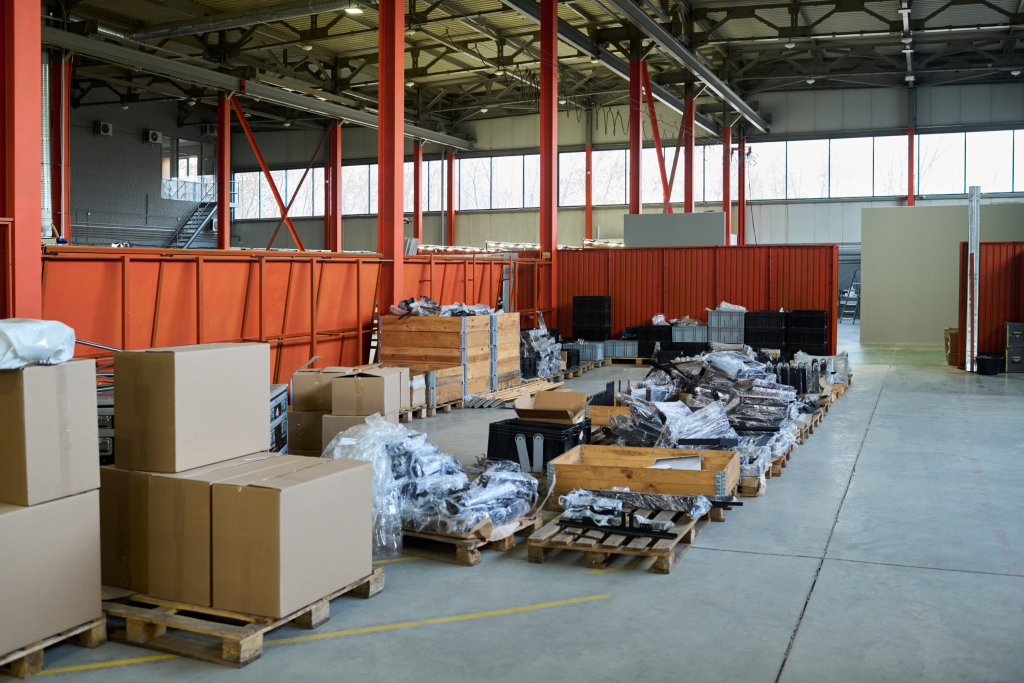
This scope includes the clearing of storage rooms, basements, mechanical spaces, and warehouse areas containing surplus or unused materials. Services address the removal of shelving, pallets, excess inventory, and government-designated surplus property. Materials are evaluated and routed for recycling, donation, or authorized disposal in accordance with agency policies and applicable regulations

Construction, Renovation, and Maintenance Debris Removal

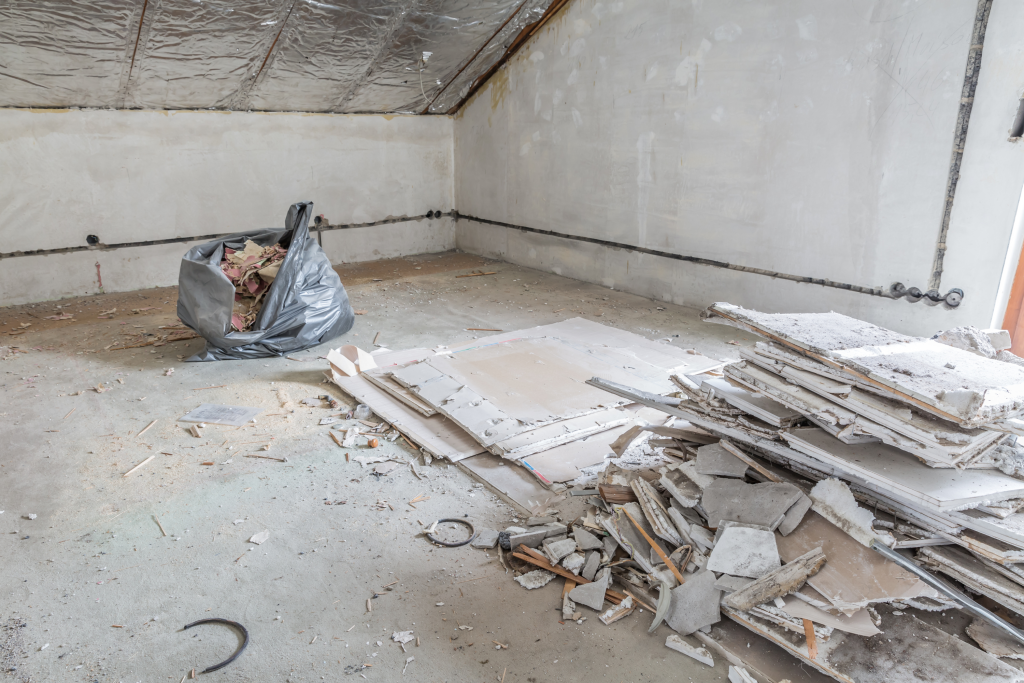
Junk removal services support minor construction, renovation, and maintenance activities through timely removal of non-hazardous debris such as drywall, wood, metal scraps, flooring materials, and fixtures. Removal activities are scheduled to align with project timelines and facility operations while maintaining compliance with safety, access, and site control requirements established by the contracting agency.

Recycling, Waste Diversion, and Environmental Compliance Services

Services incorporate environmentally responsible practices through segregation and removal of recyclable materials in alignment with state and local recycling mandates. Recyclables are transported to approved facilities, supporting agency sustainability and waste diversion goals. Documentation and tracking may be provided to assist agencies with internal reporting and environmental compliance objectives. 

Secure, Scheduled, and Emergency Junk Removal Services

Junk removal services are available for secure or restricted-access government facilities and are performed in compliance with facility security protocols, access controls, and chain-of-custody requirements where applicable. Services may be scheduled during off-hours or low-impact timeframes to minimize disruption. Emergency and priority response services are also available to support urgent cleanup needs following incidents or unforeseen events. 

Regulatory Compliance and Standards

Our junk removal services are delivered in full alignment with applicable federal, state, and local regulations. Compliance is embedded into operational planning, workforce management, and service execution to ensure safe, lawful, and accountable performance across government facilities.

Environmental Protection and Waste Management Compliance

All non-hazardous waste handling, transportation, recycling, and disposal activities comply with environmental regulations and guidelines established by the U.S. Environmental Protection Agency. Materials are routed through licensed and approved disposal or recycling facilities in accordance with applicable solid waste and environmental protection laws.

Workplace Safety and OSHA Standards

Operations are conducted in compliance with occupational safety standards issued by the Occupational Safety and Health Administration. Personnel are trained in proper lifting techniques, hazard recognition, personal protective equipment usage, and safe work practices specific to junk removal activities.

Licensing, Permits, and Waste Hauler Requirements

Junk removal and hauling services are performed in accordance with all applicable state and local licensing, permitting, and waste hauler registration requirements. Vehicles, equipment, and operators meet regulatory standards necessary to lawfully transport non-hazardous materials from government facilities.

Transportation and Fleet Compliance

Transportation activities comply with applicable motor vehicle, weight, and load securement regulations. Company-owned or authorized vehicles are maintained in safe operating condition and inspected regularly to support compliant and reliable service delivery.

Facility Access, Security, and Site-Specific Compliance

Services performed at government or restricted-access facilities comply with agency-specific security protocols, access controls, and operational policies. Personnel adhere to identification, background screening, and escort requirements as applicable to the site and scope of work.

Quality Control, Documentation, and Audit Readiness

Compliance is supported through documented standard operating procedures, supervisory oversight, and corrective action processes. Service records, disposal documentation, and compliance logs are maintained to support audits, inspections, and contract oversight requirements.

Working

Process.

Staffing and Supervision Model

Quality Assurance Approach

Our quality assurance approach follows a structured workflow that governs planning, execution, verification, and continuous improvement for all junk removal services. This approach ensures consistent performance, regulatory compliance, and accountability across all government facilities and service engagements.

1

Planning

Quality begins with pre-service planning and scope validation. Work requirements, access conditions, safety considerations, and regulatory obligations are reviewed and confirmed with the agency representative prior to execution. This ensures services are aligned with contract terms, site conditions, and operational priorities before work begins.

2

Standards

All services are performed in accordance with established operational standards, documented procedures, and applicable regulatory requirements. These standards define acceptable service outcomes, safety controls, and compliance expectations, ensuring uniform service delivery regardless of location or service complexity.

3

Execution

Junk removal activities are carried out by trained personnel using approved methods and equipment. Work is performed in a controlled and orderly manner to prevent disruption, protect government property, and ensure safe handling of all non-hazardous materials throughout the removal process.

4

Oversight

Active supervisory oversight is maintained during service execution. Supervisors monitor work activities to ensure adherence to approved scope, safety practices, and agency-specific protocols. Immediate adjustments or corrective actions are implemented when deviations are identified.

5

Verification

Completed work is reviewed to confirm that all materials have been properly removed, work areas are left clean and secure, and services meet contractual and regulatory expectations. Disposal and recycling activities are verified for compliance with environmental and safety standards issued by the U.S. Environmental Protection Agency and the Occupational Safety and Health Administration.

6

Documentation

Service records are maintained to document scope completion, material handling, and disposal actions. Documentation supports transparency, compliance verification, and audit readiness and is retained in accordance with contract and regulatory requirements.

7

Resolution

Any service deficiencies, safety concerns, or agency feedback are addressed through a structured resolution process. Issues are evaluated, corrective actions are implemented, and outcomes are verified to ensure timely and effective resolution.

8

Improvements

Quality assurance is continuously strengthened through performance monitoring and feedback. Lessons learned are incorporated into procedures, training, and planning processes to enhance service quality, efficiency, and compliance across future engagements.

Scroll to Top